If you’ve ever wondered how to paint by numbers, the good news is that it’s a hobby almost anyone can enjoy. If you’ve never touched a paintbrush before, it gives you a way to create art without feeling lost. And if you’ve done it before, you already know the calm of sitting down, brush in hand, and slowly watching an image appear on the canvas. It’s straightforward, but also surprisingly rewarding.
This article will walk you through the fundamentals of how it works and provide suggestions to assist novices become comfortable while also giving more experienced artists ideas to make the process even more enjoyable.
Getting to Know Your Kit
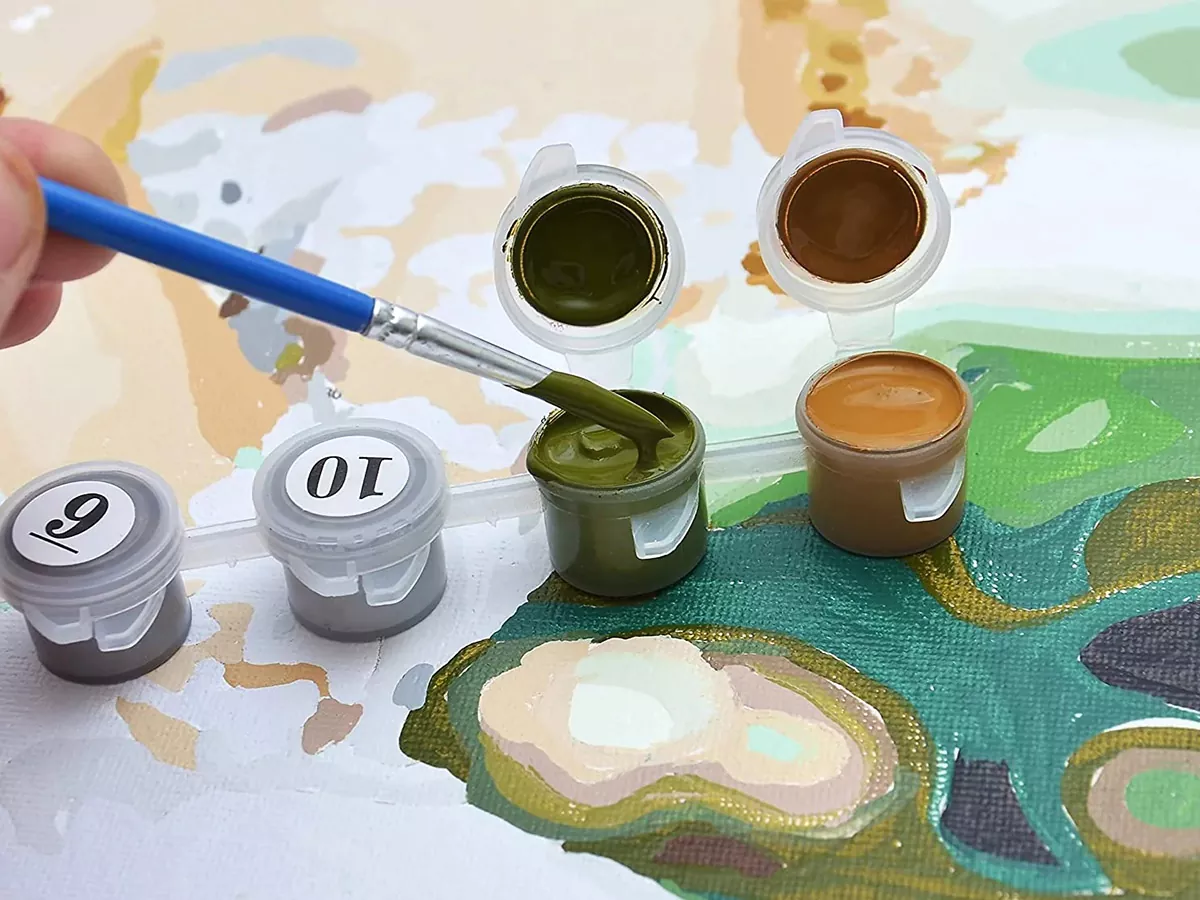
A Paint By Numbers kit usually comes with three things: a pre-numbered canvas, a set of paints, and brushes in a few sizes. That’s everything you need to start. The idea is simple: each number on the canvas matches a paint pot, and you fill it in one space at a time.
For beginners, the simplicity is the appeal. You can open the box and get going right away. For someone who’s painted a few kits already, the basics don’t change, but you might tweak the process, maybe swap in your favorite brushes, blend paints to smooth out edges, or even adjust a color to make the piece fit your space better. The kit gives you the structure, and you decide how much freedom you want to take with it.
The Painting Steps
Step 1: Set Up Your Space
Pick a spot with good lighting and a flat surface. Lay out your canvas, set the paints where you can see them, and keep water and tissues nearby for your brushes. A small setup like this saves a lot of frustration once you start painting.
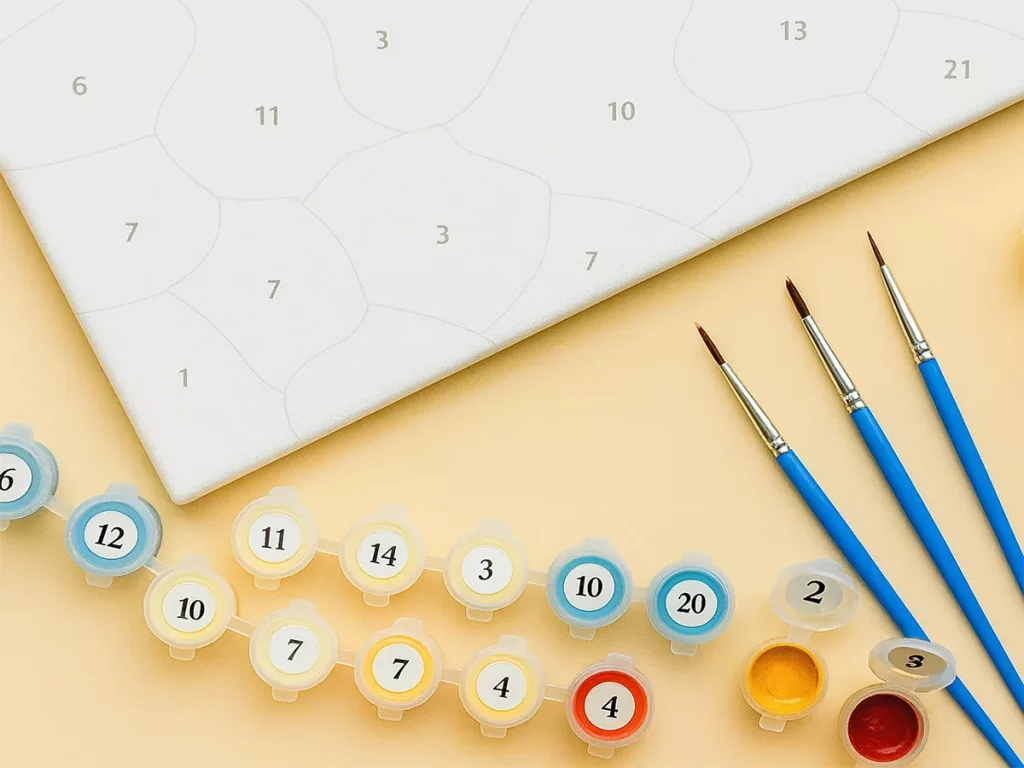
Step 2: Match the Numbers
Take a look at your canvas and the paint pots. Each number on the canvas links to a paint color, so double-check you’re using the right one before filling in a section. It sounds simple, but keeping things organized from the start makes the whole process smoother.
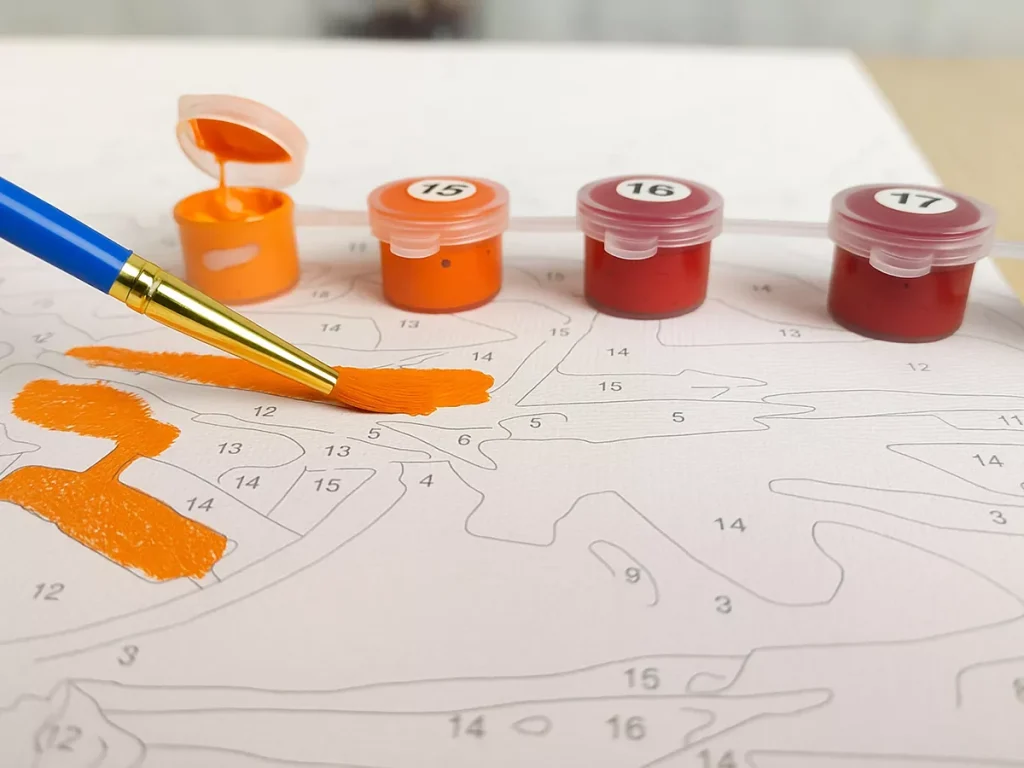
Step 3: Decide Where to Start
You can start wherever feels right. Large sections are usually easier if you’re new, while detailed spots can be fun if you like a challenge. The only thing to keep in mind is to move across the canvas in a way that avoids smudging wet paint with your hand.
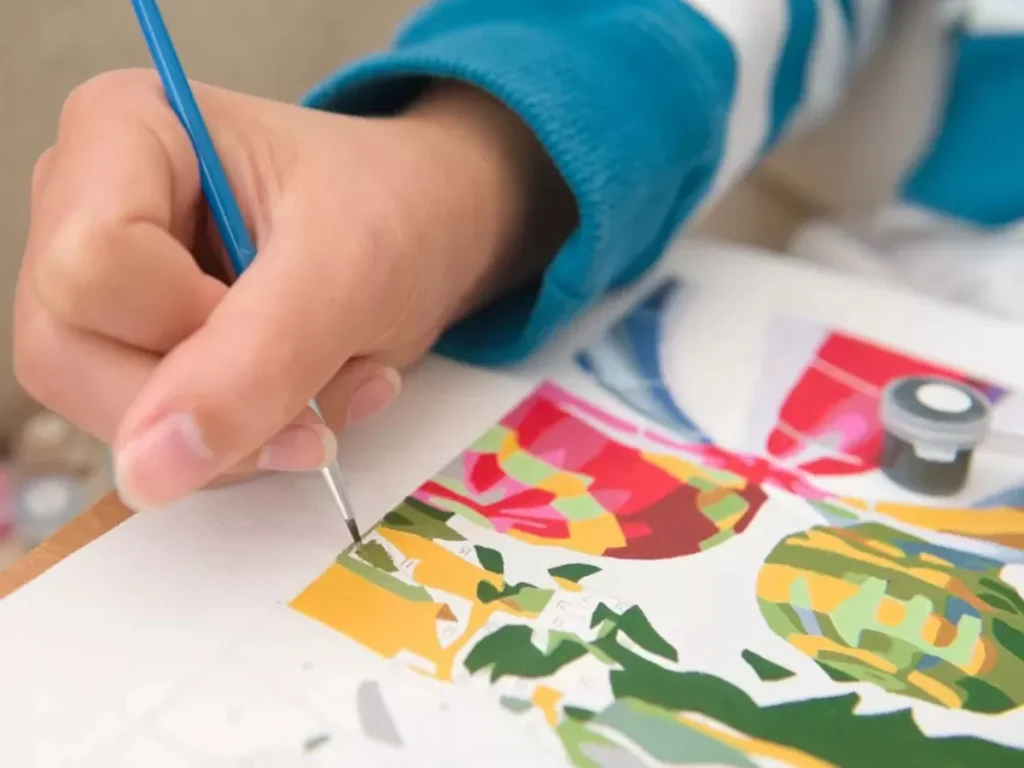
Step 4: Keep Brushes Clean
Be sure to rinse thoroughly after each color change. Before using them again, wipe the bristles and return them to their original shape. Sharper lines and more vibrant colors are the result of clean brushes.
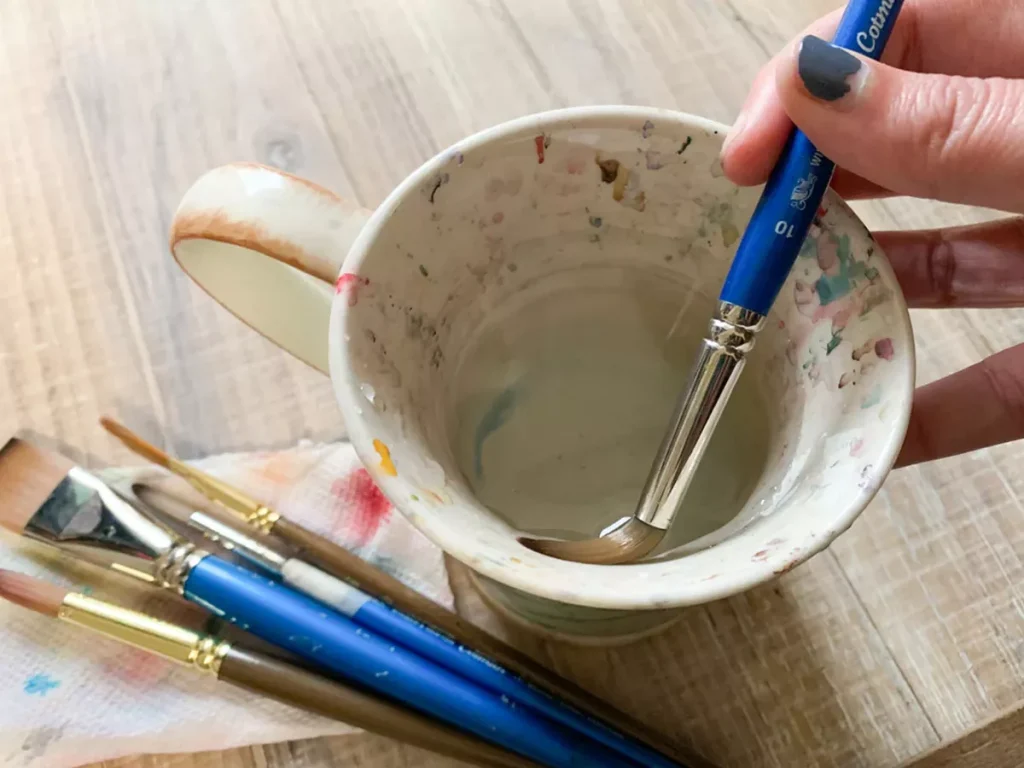
Step 5: Fix Mistakes Easily
Don’t panic if your brush slips. Let the paint dry, then go over the spot again. Acrylics cover well, and most small mistakes disappear once the whole picture is filled in.
Learning how to paint by numbers is really about building a rhythm. Once you get used to the flow of matching numbers, switching brushes, and filling spaces, the process becomes both relaxing and addictive.
Tips for Beginners
If this is your first kit, go easy on yourself. Take your time, let the paint dry before layering, and don’t worry if it looks messy up close. The magic happens when you step back and see the bigger picture coming together.
It also helps to choose a design that isn’t too detailed. Larger spaces are easier to handle and let you see progress more quickly. That little boost of confidence can make the experience more enjoyable and less stressful.
Advice for Experienced Painters
Once you’ve done a few kits, you might want to experiment a little. Blending colors along the edges can soften the look, or you can add shading to make the painting feel more realistic. Some painters even swap out a color or two to better match their home or personal style. You can start wherever feels right. Large sections are usually easier if you’re new, while detailed spots can be fun if you like a challenge. The only thing to keep in mind is to move across the canvas in a way that avoids smudging wet paint with your hand.
Detailed designs are another good challenge. They take longer and ask for more patience, but the finished piece usually feels worth the effort. And over time, you’ll notice that working on these kits builds skills, brush control, attention to detail, and that carries over into other kinds of painting.
Finishing Touches
When the painting is done, you’ll probably want to give it a proper place. Framing it adds polish and makes the work feel complete. Some people hang theirs as a series, turning them into a gallery wall. Others prefer to gift them, which always feels personal since it’s something you made by hand.
Whatever you do, finishing a canvas is always satisfying. You started with a blank canvas, and now it’s a colorful painting. That sense of completion is part of what keeps people coming back to the hobby.
Final Thoughts
Now that you know how to paint by numbers, you can enjoy it whether you’re picking up a brush for the first time. For beginners, it’s a stress-free way into painting. For experienced artists, it’s a relaxing hobby that still leaves plenty of room to experiment. At the end of the day, the best part isn’t only the finished canvas. It’s the time you spend painting, slowing down, and watching the picture appear little by little under your brush.